Fenton Johnson Was First | Part II: Pen that Refused Politeness
- Jul 24, 2025
- 4 min read
Before Harlem, Fenton: A Poet's Early Defiance
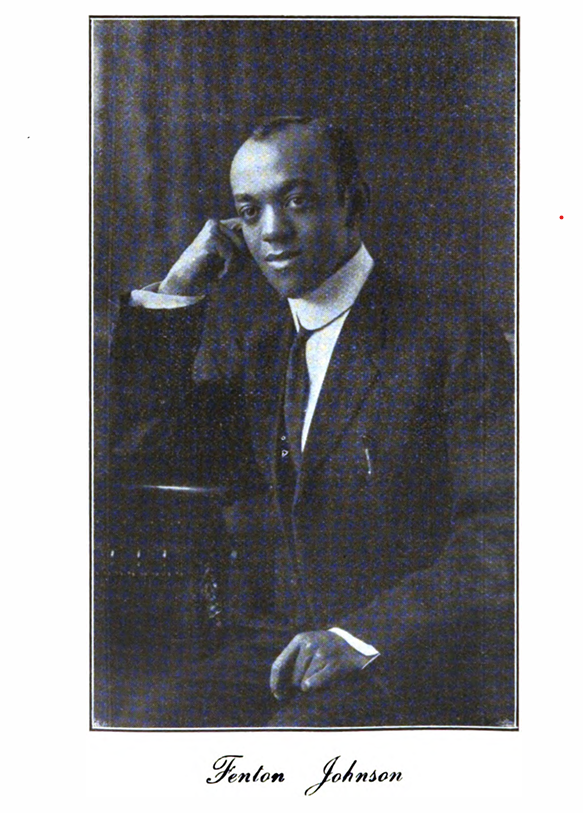
Before Langston Hughes was subpoenaed by Senator Joseph McCarthy's subcommittee, forced to balance truth against survival. Before Zora Neale Hurston felt the binds of her benefactor Charlotte Osgood Mason, a wealthy white patron, around her fieldwork and freedom. Before Claude McKay turned a Shakespearean sonnet into a blood oath with If We Must Die, published in The Liberator, the socialist monthly magazine, in July 1919. Before The New Negro anthology gave Harlem a map and called it a movement, Fenton Johnson was already writing.
Becoming Untethered
Between 1913 and 1919, he published three poetry collections: A Little Dreaming, Visions of the Dusk, and Songs of the Soil; every iteration sharpening his voice.
A Little Dreaming, 1913
A standout poem from A Little Dreaming (Fenton 1913, P.19)
The Plaint of the Factory Child
I
Mother, must I work all day? All the day? Ay, all the day? Must my little hands be torn? And my heart bleed, all forlorn? I am but a child of five, And the street is all alive With the tops and balls and toys,— Pretty tops and balls and toys.
II
Day in, day out, I toil—toil! And all that I know is toil; Never laugh as others do, Never cry as others do, Never see the stars at night, Nor the golden glow of sunlight, — And all for but a silver coin,— Just a worthless silver coin.
Ill
Would that death might come to me! That blessed death might come to me, And lead me to waters cool, Lying in a tranquil pool, Up there where the angels sing, And the ivy tendrils cling To the land of play and song,— Fairy land of play and song.
Historical Context
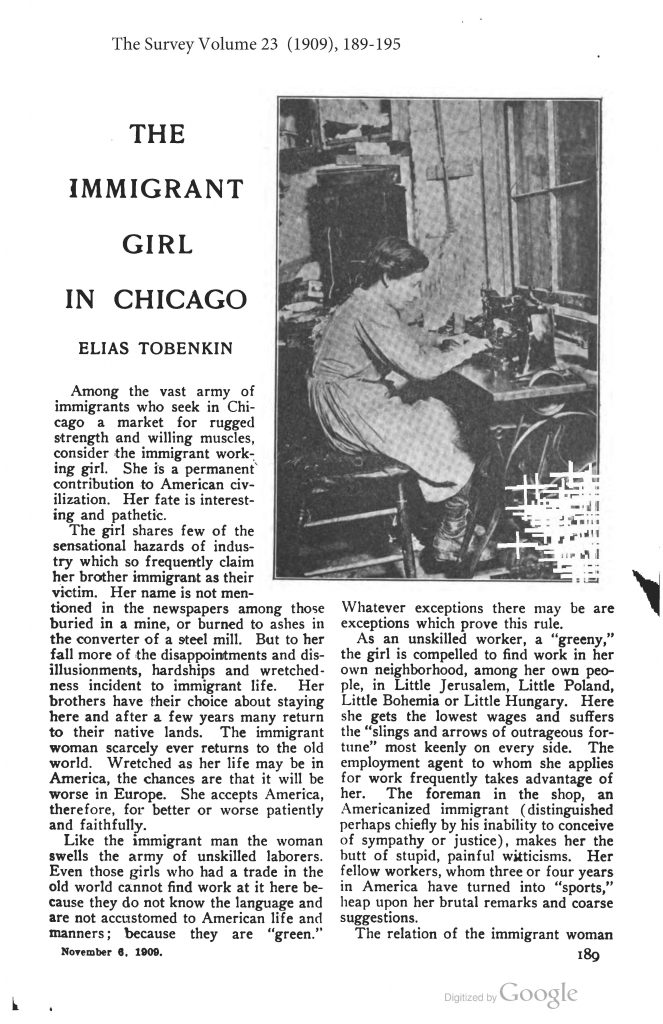
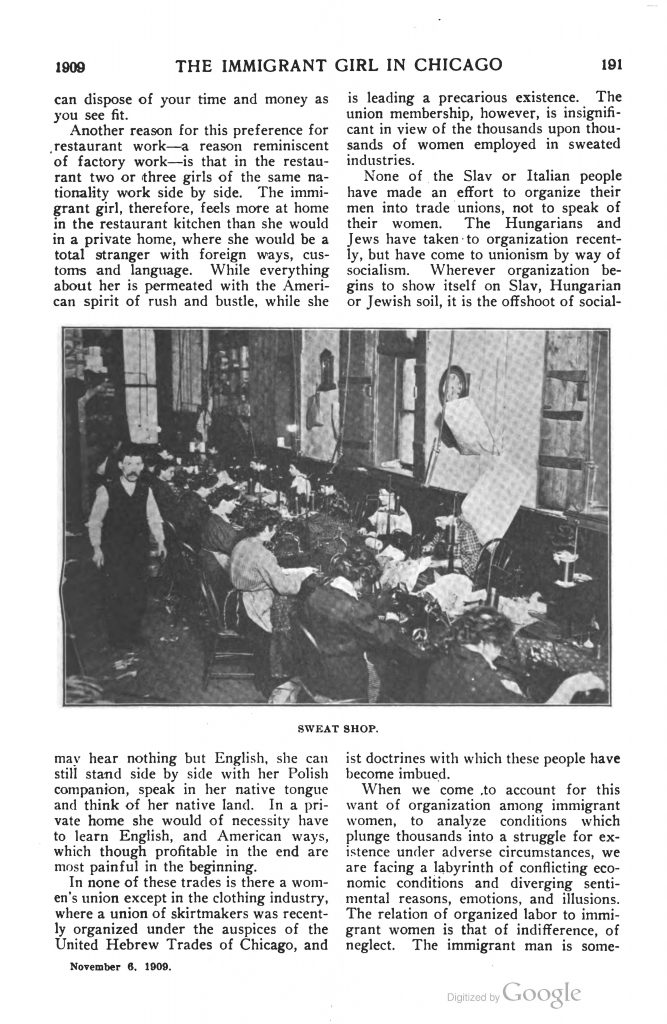
Here is a quote from an article, The Immigrant Girl in Chicago, written by Elias Tobenkin. (November 6, 1909.) detailing the plight of a girl who had immigrated to the United States finding herself in Chicago, IL:
Here she gets the lowest wages and suffers the "slings and arrows of outrageous fortune" most keenly on every side. The employment agent to who she applies for work frequently takes advantage of her. The foreman in the shop, an Americanized immigrant) distinguished perhaps chiefly by his inability to conceive of sympathy or justice), makes her the butt of stupid, painful witticism.
Visions of the Dusk, 1915
A poem that grabbed my eye from Visions of the Dusk (Fenton 1915, P.19)
THE SOLDIERS OF THE DUSK.
I.
Black men holding up the earth,
Atlas burdened they descend
Deep into the vale of Hell;
And with valor long defend
Fairer brothers from the wounds
That the dogs of war inflict,
And with patriotic souls
Die in Europe's last conflict. II. Paris shall not fall so long
As there breathes a man of dusk,
London shall be saved an age
By the fighters of the dusk;
Zulu, robbed of land and home,
For the robber bares his heart,
Kaffir, giving Europe gems,
Europe pierces with a dart. III. They are pagan, men of blood,
They have not a golden rule,
Cannibals and fetish men
With their laws intensely cruel; But the God of Calvary
Will in years unborn be just To the men who died for men,
Victims of the war god's lust.
Historical Context
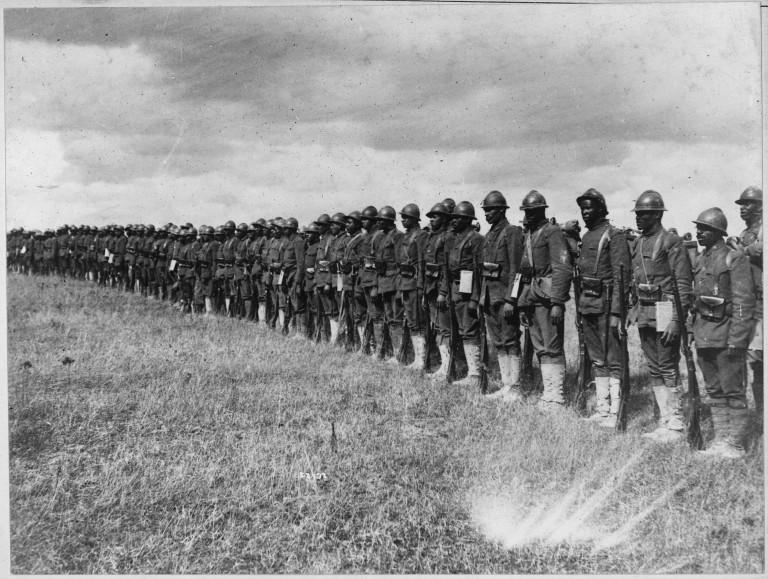
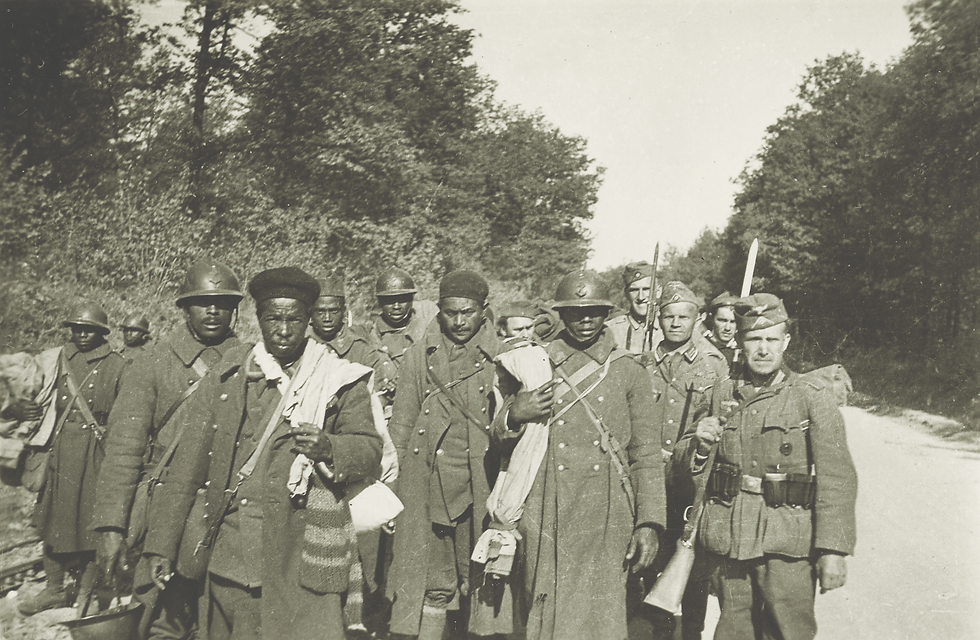
World War I was often referred to the Great War or the War to end all wars. Written in 1915 in the early years of WW1, the poem, The Soldiers of the Dusk responds to the global deployment of black soldiers, African and Caribbean men, some forced conscripts, into European colonial armies. The battles cited in the text can be inferred to be the First battle of the Marne (1914), West African Tirailleurs played a crucial role in stopping the German advance, and other battles where British campaigns in East and South Africa involving Zulu and other African fighters. Fenton highlights the sacrifices of these black men while the nations they fight for denied them freedom, dignity, or recognition.
Songs of the Soil (1916)
Fenton Johnson shares with us his intention with this collection of poetry in the introduction, written in December 26, 1915:
It is my earnest conviction that there is no true friction between the races. Race prejudice is not a product of the soil, but of propagandists who attempt to keep a certain political balance in the South. The masses of white people, if let alone, would love the Negro. and the masses of black people, if they were not disturbed by the result of propaganda, would love the white man.
AH'S GWINE AWAY.
I.
Daih's a lone stah in de sky,
Ah's gwine away!
Daih's a road dat totes me high,
Ah's gwine away!
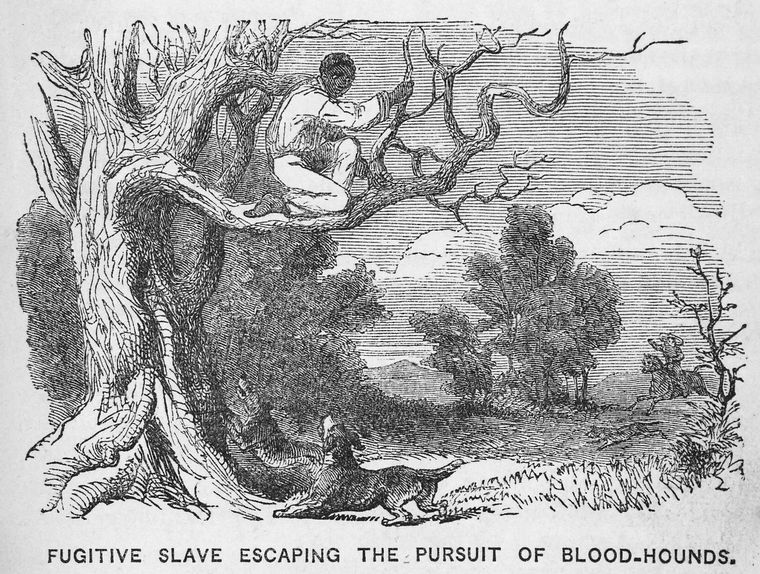
Loose yo' houn' dawgs on mah scent,
'Twill be foolish tahm you spent,
Ah am mighty tiahed of wu'k
Gib to me a restful nu'k
Ah's gwine away!
II.
Daih's a song dat soothes mah breas'
Ah's gwine away!
Daih's a ha'p dat totes me res',
Ah's gwine away!
Nevehmo' to ten' de hoe an' plow,
Nevahmo' to ben' an' scrape an' bow.
Ah is gwine to sahve a king
Dat will allus let me sing,
Ah's gwine away!
History Context
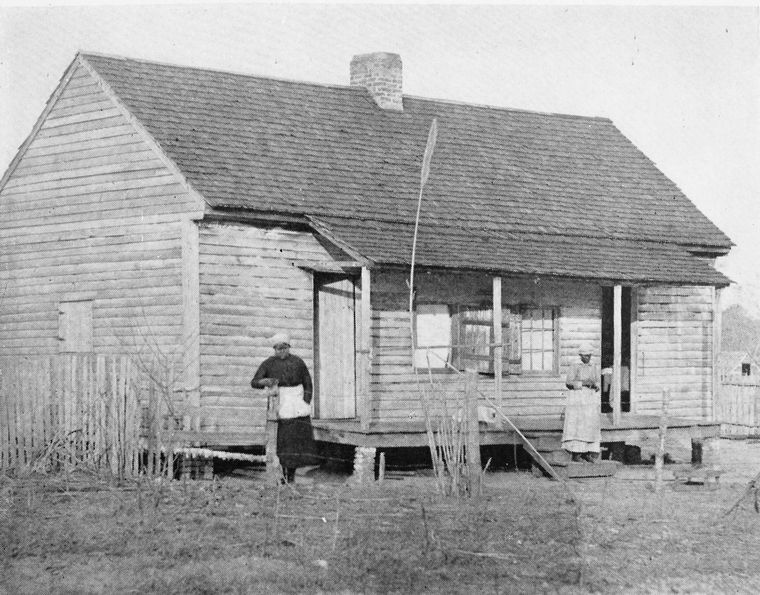
Around 1916 when this collection, Songs of the Soil, was published, the age presented itself as a turning point for Black American life: artifacts of slavery, brutality of Jim Crow, and pressures of urban industrialization. The promise of reconstruction had collapsed as Black Americans were locked into predatory and restrictive sharecropping contracts. Black Americans were denied access to land ownership and fair wages, and if they tried to leave or protest, they were met with violence. The first major wave of the Great Migration, Southern Black Americans coming to northern areas to escape veiled post-slavery servitude, were coming in around this time. A lot of Black Americans then became disillusioned as they ended up in cramped tenement housing, low-paying and dangerous industrial, and coded, northern racism.