Yankev Glashteyn Writing the Inside | Part I: Fleeing Home (Lublin, Poland)
- Jul 25, 2025
- 2 min read
Introduction to the Introspective
Yankev Glatshteyn, born August 20, 1896 in Lublin, Poland.
Early Life and Living Under
Yankev was raised in Lublin, a city of Jewish language, music, and mystical traditions. Yiddish lived in sacred texts and everyday dialect, creating a cultural anchor in his work. Yankev saw Polish political unrest and social evolution at a young age. At ten years old, he had already begun to author poetry.
Lublin, Poland in 1906
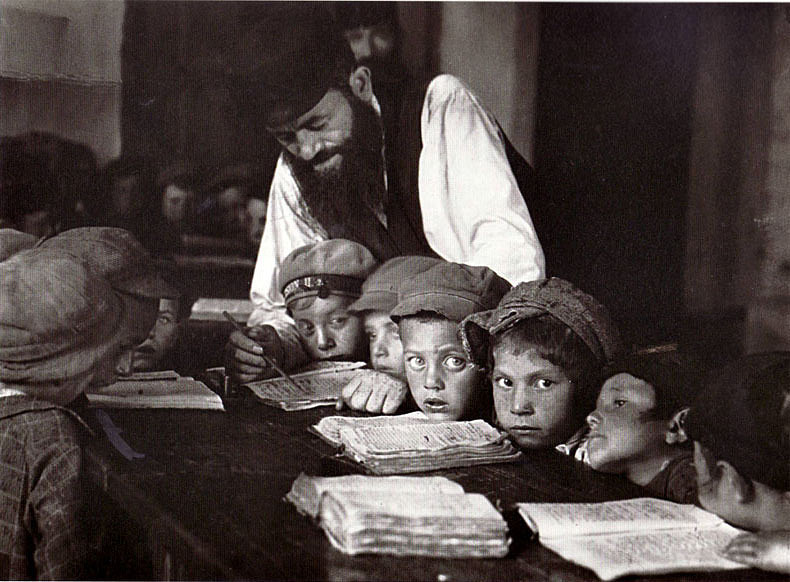
Located in Congress Poland, a semi-autonomous kingdom, (essentially a puppet state) under Russian rule, Lublin was a growing urban center connected by rail to Warsaw by 1897. Population rose from around 28,900 in 1873 to 50,150 by 1897 including 24,000 Jews. Lublin's Jewish quarter, especially around the Grodzka Gate and Old Town, was a vibrant center of Jewish life since the 16th century, with institutions like the Seer of Lublin's synagogue and the Maharshal's Yeshiva (established circa 1567) forming an educational and spiritual backbone. By 1906, the community had access to cheder (elementary Jewish schooling) and was steeped in religious study, folklore, artisan trades, and early stirrings of Zionist and Bundist political activity.
Russian Occupation
Russian Empire exercised its rule over the Polish state, imposing language and administrative control. Polish culture and governance fell under Russian bureaucracy. The Russian Revolution of 1905 saw Lublin under dramatic unrest. Polish, socialist militants attacked Russian officials in what is called Bloody Wednesday, August, 1906. Polish, Jewish, and Russian ideologies intersected in this time. Russian secret police. Censored Yiddish and Russian-language newspapers. Police participated in anti-Jewish violence, Polish National Democrats sponsored ethnic purity rhetoric.
Danger
Between 1881 and 1914, over 1.6 million Jews emigrated from the Russian Empire, including Poland, escaping pogroms, discrimination, and economic instability. Pogrom is a violent riot, often condoned or facilitated by authorities, targeting a marginalized community with looting, arson, assault, and murder. Mobs would attack Jewish homes, synagogues, and businesses. Women were raped, elders beaten, and children killed or maimed. Authorities either joined in or refused to intervene. Yankev's emigration in 1914 fits a larger arc of Jewish flight from terror, uncertainty, and punished speech.
Notable Pogroms
September 8-10, 1906. Siedlce, Russian Poland.
Russian secret police, Okhrana organized a pogrom as retaliation for revolutionary activity. 30-40 Jews murdered, hundreds injured, homes and businesses looted.
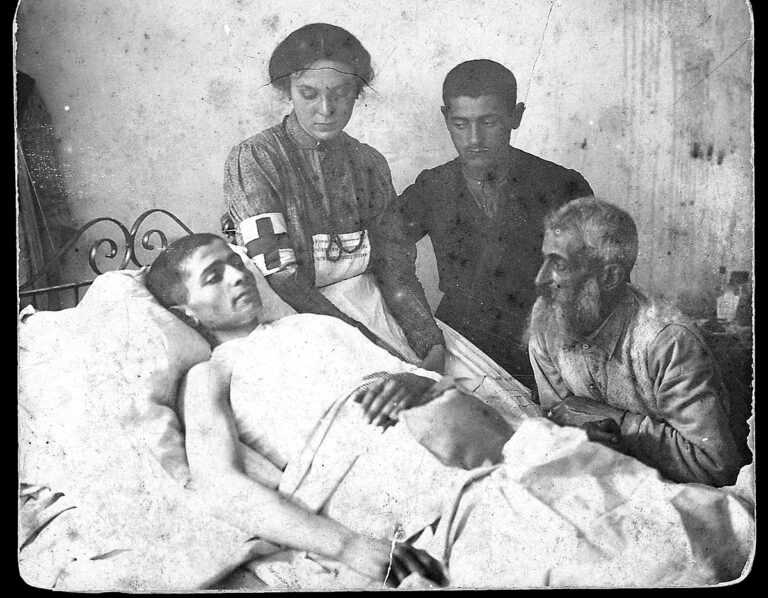
June 14-16, 1906. Białystok, within Congress Poland.
Sparked by anti-socialist paranoia and fueled by Russian troops. Over 80 Jews killed, hundreds wounded, homes torched. Police and soldiers directly participated in the violence.
1911-1913. Kiev, Russian Empire.
Triggered by the blood libel accusation against Mendel Beilis. A nationwide antisemitic agitation, threats of riots, and mob attacks. Jews across the Pale, including Lublin, feared imminent violence.